Here is something most Cabo real estate brochures will never show you: thirty minutes from the most expensive resort corridor in Mexico, you can stand in absolute silence under a sky so full of stars it looks fake. The Baja backcountry is one of the last truly wild landscapes within reach of a major international airport — and the glamping and camping experiences out here are the best-kept secret of Los Cabos property ownership.
Key Takeaways
- ✓ Luxury glamping options range from $150–$400/night for safari-style tents with full amenities
- ✓ The Sierra de la Laguna Biosphere Reserve — 90 minutes from Cabo — offers pine-oak forests at 7,000+ feet
- ✓ Baja's backcountry has Bortle Class 1–2 dark skies: Milky Way visible to the naked eye
- ✓ Best season: October through May — avoid June–September heat and hurricane season
- ✓ The proximity of world-class wilderness to world-class resort living is part of what makes Cabo ownership unique
Luxury and Adventure in One Place
Own a property that gives you both — resort amenities at home and backcountry Baja when you want to unplug.
Schedule a Free ConsultationGlamping Experiences Near Los Cabos
Pacific Coast Beach Glamping
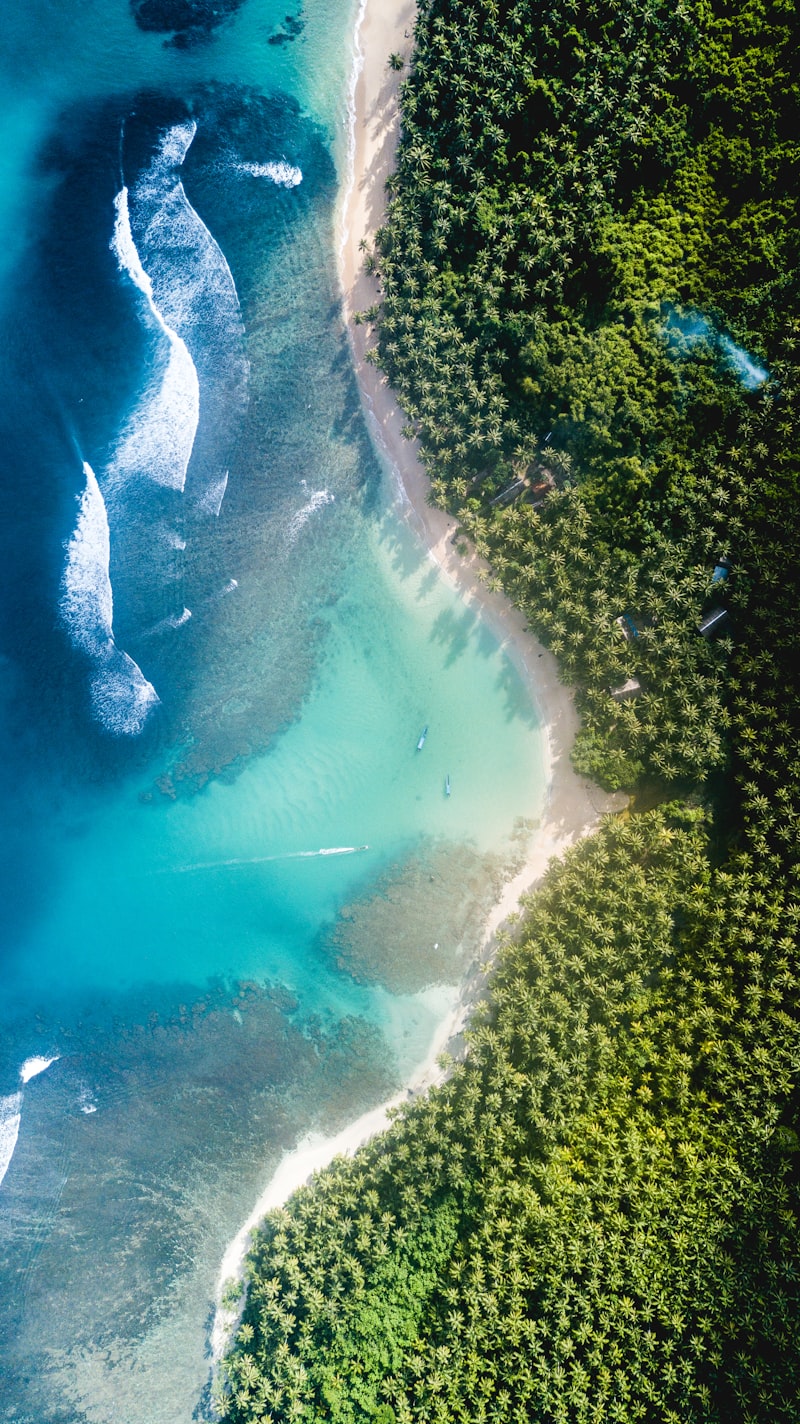
The Pacific coast north of Cabo San Lucas — Migriño, El Pescadero, and the beaches between — is where most glamping operations set up. The formula: luxury safari-style tents on elevated wooden platforms, facing the Pacific, with real beds, solar-powered lighting, and en-suite compost toilets or outdoor showers. You fall asleep to surf and wake up to sunrise over the desert behind you.
What to expect:
- Tent setup: Canvas bell tents or safari tents (typically 200–400 sq ft), furnished with real mattresses, linens, and sometimes a small sitting area
- Amenities: Varies widely — some operations offer full en-suite bathrooms, others use shared outdoor shower facilities. Higher-end setups include fire pits, private dining areas, and curated meal service
- Price range: $150–$400/night. The premium is for oceanfront positioning, private chef service, and fully enclosed bathroom facilities
- Season: Most operate October through May. Some Pacific-side operations run year-round but summer (June–September) is hot and hurricane season adds weather uncertainty
Desert Glamping in the Foothills
East of the highway, the landscape transitions from coastal desert to the foothills of the Sierra de la Laguna mountains. Several operators set up in this zone, offering a different experience from the beach camps: absolute silence, dramatic rock formations, and some of the darkest night skies on the continent.
The foothills between Todos Santos and the Sierra de la Laguna are particularly compelling — you get the desert floor experience with mountain views in every direction. Cardon cacti tower overhead, the only sound is the occasional cactus wren, and at night the Milky Way arcs from horizon to horizon.
Working Ranch Stays
Several working ranches in the Cape Region offer overnight stays that blur the line between glamping and agritourism. You stay in renovated ranch buildings or luxury tents, eat ranch-cooked meals, and participate in ranch activities — horseback riding, cattle work, cheese making, or simply sitting on a porch watching the desert change color at sunset.
These experiences connect you to the Baja that existed before the resorts — the rancho culture that gave communities like Rancho San Lucas their names. For property owners, these overnight ranch visits are a way to show visiting guests a side of Baja they will never find at the pool.
Sierra de la Laguna: The Mountain Escape
Ninety minutes north of Cabo San Lucas, the Sierra de la Laguna Biosphere Reserve rises from the desert floor to over 7,000 feet. It is one of the most biodiverse mountain ranges in northwestern Mexico, home to pine-oak forests, freshwater streams, waterfalls, and endemic species found nowhere else on Earth.
Camping and hiking in the Sierra is a guided experience — the terrain is rugged, water sources need to be known, and the trails are not always marked. What you get in return is extraordinary:
- Ecosystem contrast: You leave 90°F desert at sea level and arrive in 65°F pine forest at 5,000–7,000 feet. The transition happens over just 20 miles of winding road. It feels like teleporting to the Pacific Northwest
- Waterfalls: Several drainages in the Sierra have seasonal waterfalls, most dramatically flowing after the summer rains (October–November is ideal)
- Dark skies: At elevation, away from any artificial light, the sky is among the darkest in North America. Bortle Class 1 conditions are achievable — meaning you can see thousands of stars, the Andromeda galaxy with the naked eye, and zodiacal light
- Guided overnight treks: $150–$300/person for a 2-day/1-night guided hike including camping equipment, meals, and a local guide who knows the mountain intimately
Stargazing: The Dark Sky Advantage
Baja California Sur's low population density, dry climate, and geographic isolation create some of the best dark sky conditions accessible from a major airport. Here is what that means practically:
- 30 minutes from Cabo: You can reach Bortle Class 3–4 skies (clearly visible Milky Way, good telescope conditions) by driving north on Highway 19 past the last development
- 60 minutes from Cabo: Bortle Class 2 conditions on the East Cape road or in the Sierra de la Laguna foothills. This is professional-grade astrophotography territory
- East Cape (90 minutes): Near Zacatitos and between Los Barriles and Cabo Pulmo, Bortle Class 1–2 conditions are available — darker than most observatories. The Milky Way casts visible shadows on the ground
For property owners, this means you do not need to plan a national park trip to see the night sky. A Saturday evening drive, a blanket on the ground, and two hours of stargazing is a routine activity, not an expedition.
Looking for a Property Near the Backcountry?
East Cape and Pacific Side communities put you closest to Baja's wild landscape while still offering resort-quality living.
Book a Strategy CallPractical Guide for Desert Adventures
What to Pack
- Water: Bring more than you think. The desert is unforgiving — 1 gallon per person per day minimum for any backcountry activity. Even on glamping trips with provided meals, carry your own emergency water supply
- Sun protection: SPF 50+, wide-brim hat, UV-protective clothing. The Baja sun at elevation is intense
- Layers: Desert temperatures can swing 40°F between day and night. A 95°F afternoon becomes a 55°F evening in the foothills
- Flashlight/headlamp: Essential. The desert gets genuinely dark — stepping away from your tent without a light means stepping on things you do not want to step on (see: scorpions)
- First aid kit: Basic kit with antihistamines (scorpion stings, though rarely dangerous, are painful), bandages, ibuprofen, and any personal medications
Desert Safety
- Tell someone where you are going and when you expect to return
- Carry a charged phone but do not rely on cell service — it drops out quickly once you leave the highway
- Shake out your boots before putting them on. Scorpions are nocturnal and seek warm, enclosed spaces
- Watch where you put your hands when climbing rocks — rattlesnakes are present but rarely encountered on established trails
- Start early. The worst desert heat is 1–4 PM. Plan to be in shade or back at camp by early afternoon
Why This Matters for Cabo Property Owners
Here is the real point: the proximity of genuine wilderness to world-class resort infrastructure is one of the most underappreciated aspects of owning property in Los Cabos. You can play 18 holes at Diamante on Saturday morning, have lunch at Flora Farms in the afternoon, and be sitting under more stars than you have ever seen by 9 PM — all without getting on a plane.
Try doing that from your condo in Miami, your timeshare in Maui, or your apartment in Puerto Vallarta. You cannot. The Baja Peninsula's unique geography — a narrow strip of land between two oceans, with a mountain range running down the middle — creates a density of experiences that no other major resort market can match.
When guests visit your Cabo property and you take them to the backcountry for a night of glamping, they do not just have a good time. They understand why you bought here. And that is worth more than any amenity list on a real estate listing.
Ready to Own a Piece of Baja?
Resort luxury, desert adventure, and world-class living — all in one place. Let us help you find your Cabo property.
Contact Us TodayThinking about buying here rather than just visiting? Our free 33-page Buying Property in Mexico guide covers the fideicomiso, closing costs in real dollars, and the 27-point checklist we run on every property.
Frequently Asked Questions
Are there glamping resorts near Los Cabos?+
Yes. Several operations offer luxury camping experiences within 1–2 hours of Cabo San Lucas. Options range from safari-style tents on Pacific beaches near Migriño and El Pescadero to mountain glamping in the Sierra de la Laguna foothills. Prices typically range from $150–$400/night for a luxury tent setup with bedding, lighting, and en-suite bathroom. Some are permanent installations; others are pop-up seasonal camps that operate October through May.
Can you camp in the Sierra de la Laguna mountains near Cabo?+
Yes. The Sierra de la Laguna Biosphere Reserve, located about 90 minutes north of Cabo San Lucas, offers backcountry camping with guided hiking. The reserve reaches elevations above 7,000 feet and features pine-oak forests, waterfalls, and a dramatically different ecosystem from the coastal desert. Guided overnight hikes through the range cost $150–$300/person including camping equipment, meals, and a local guide. The best season is October through April when temperatures are comfortable and trails are accessible.
Is it safe to camp in Baja California Sur?+
BCS has one of the lowest crime rates in Mexico, and the rural areas around Los Cabos — ranches, beaches, and mountain communities — are generally very safe for outdoor recreation. That said, use common sense: camp in established sites or with reputable operators, do not camp alone in remote unmarked areas, carry water (it is a desert), and tell someone your plans. Scorpions, rattlesnakes, and the sun are bigger concerns than crime. A guide eliminates most risk for backcountry trips.
What is the best time of year for glamping and camping near Cabo?+
October through May is ideal. October and November offer green desert landscapes after the summer rains. December through February is peak season with cool nights (50–65°F at elevation) perfect for campfire and star-gazing. March through May brings dry, clear skies and wildflowers in some areas. June through September is too hot for desert camping (95–110°F) and hurricane season brings unpredictable rain to the mountains.
How dark are the skies near Los Cabos for stargazing?+
Extremely dark once you leave the developed areas. The East Cape and Sierra de la Laguna have some of the darkest skies in North America — Bortle Class 1–2 in the backcountry, meaning you can see the Milky Way core, zodiacal light, and gegenschein with the naked eye. Even 30–40 minutes from Cabo San Lucas, light pollution drops dramatically. The best stargazing months are October through April when the air is driest and clearest.

Aaron Cuha
Real Estate Advisor & Los Cabos Market Expert
Real estate advisor and founder of Living In Cabo. 15+ years helping families navigate complex real estate decisions. Strategic partner with Ronival — Baja's largest brokerage.