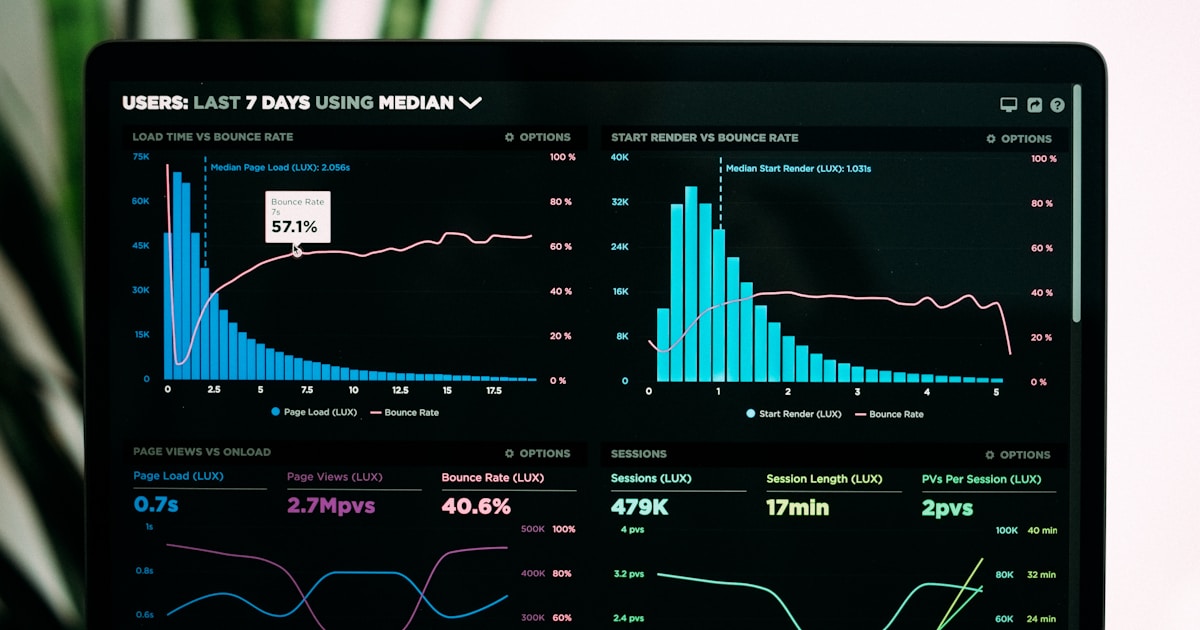
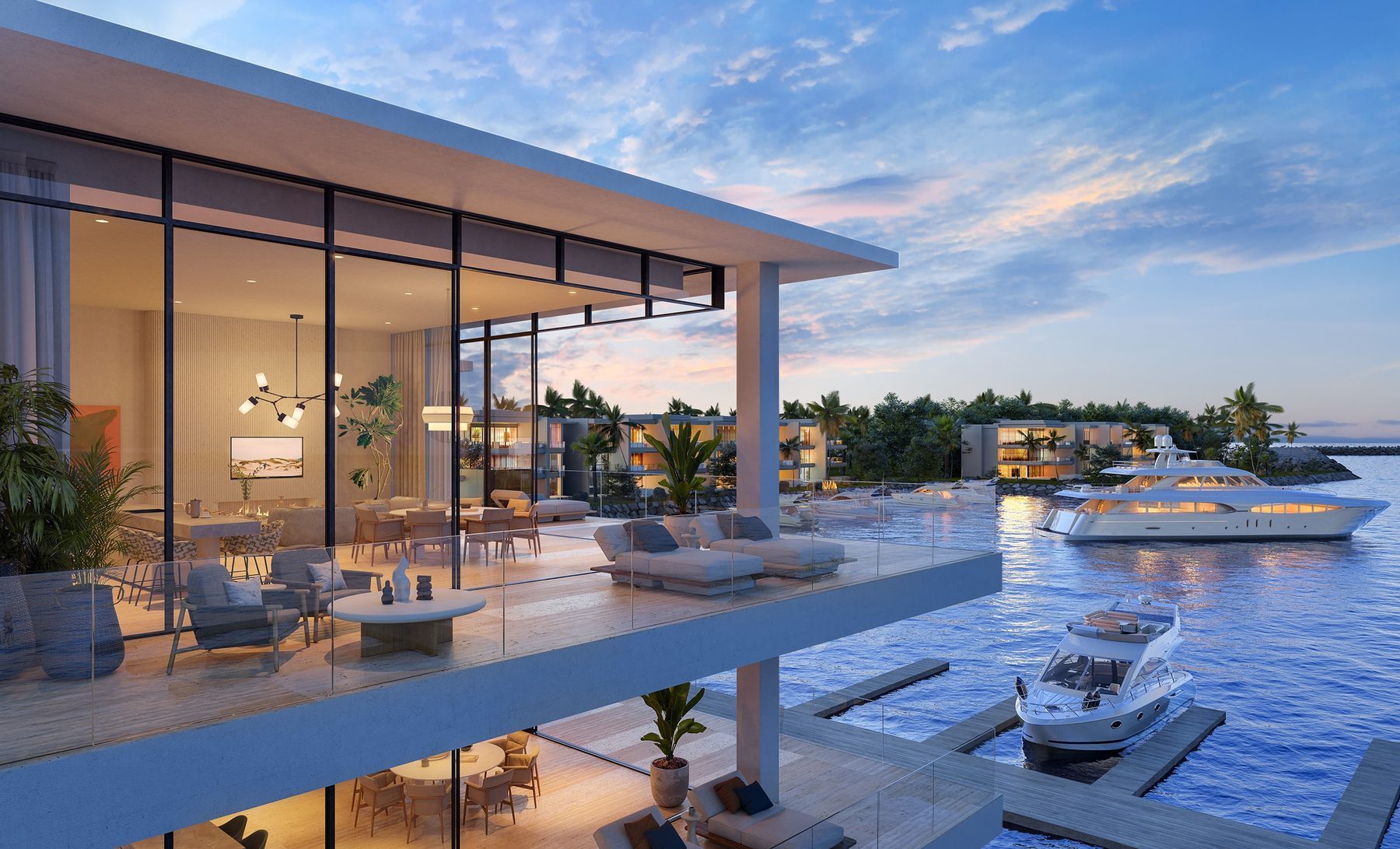
The Los Cabos real estate market has shifted from a seller's market to a buyer's market in 2026. Average property values are down 15–19% from their January highs, international tourism is off 7.2% year-over-year, and inventory levels are the highest they have been since 2020. This is the correction I have been watching for — and it creates genuine opportunity for buyers who understand the data.
Key Takeaways
- • Average Los Cabos property values down ~15–19% from January 2026 peaks (Lamudi market data)
- • International tourism arrivals to Los Cabos down 7.2% through July 2026; US arrivals specifically down 6%
- • Domestic Mexican travel declined 10 consecutive months (July 2025–April 2026)
- • Resale listing negotiation room has widened to 10–15% off asking, up from 3–5% in 2024
- • Developers offering incentives: upgrade packages, reduced closing costs, extended payment schedules
Ready to Take Advantage of the Buyer's Market?
We are closing deals right now at prices that were impossible 12 months ago. Let us find yours.
Get Market-Priced OptionsWhat Happened: From Seller's Market to Buyer's Market
To understand where we are, you need to understand where we were. From 2020 to early 2025, Los Cabos experienced the most dramatic price appreciation in its history. COVID-era demand from remote workers and relocating Americans, combined with limited inventory and a weak peso, drove prices up 40–60% across most communities. Properties that sold for $400,000 in 2020 were closing at $600,000–$650,000 by late 2024.
That was unsustainable. And multiple forces converged in 2025–2026 to bring the correction:
- US economic slowdown: Higher interest rates cooled the broader US housing market, and the ripple effect reached second-home markets like Cabo. Buyers who were using HELOC proceeds or stock market gains to fund Cabo purchases found those sources constrained
- Tariff uncertainty: The US-Mexico tariff tensions created headline anxiety that dampened buyer enthusiasm, even though tariffs have minimal direct impact on existing real estate transactions
- Tourism decline: International arrivals to Los Cabos dropped 7.2% through July 2026, with US arrivals specifically down 6%. Domestic Mexican travel declined for 10 consecutive months from July 2025 through April 2026. Fewer tourists means less rental income visibility, which means less investment buyer confidence
- Construction pipeline: The development boom launched during the 2021–2024 seller's market is now delivering inventory into a weaker demand environment. Over 2,000 units are in various stages of development across the Corridor, Pacific Side, and East Cape
- Peso strength: The peso strengthened significantly against the dollar in 2023–2024 (reaching historic lows near 16.5 MXN/USD), making Mexican property more expensive in dollar terms. While the peso has weakened somewhat in 2026, the psychological impact of that period persists
The Data: November 2026 Market Snapshot
Price Trends
According to Lamudi (Mexico's largest real estate portal), average residential property values in the Los Cabos municipality are down approximately 15–19% from their January 2026 peaks. The average home value in August 2026 was approximately 6.5 million MXN — down from roughly 7.7 million MXN in January.
However, this aggregate number masks significant variation by community and property type:
| Market Metric | 2024 Peak | November 2026 | Change |
|---|---|---|---|
| Avg. residential value (municipality) | ~7.7M MXN | ~6.5M MXN | −15 to −19% |
| Luxury condo (Corridor) | $650–$850/sqft | $550–$750/sqft | −10 to −15% |
| Entry-level condo (El Tezal, SJD) | $350–$450/sqft | $280–$380/sqft | −15 to −20% |
| Ultra-luxury villa (Palmilla, Querencia) | $1,200–$2,000/sqft | $1,100–$1,800/sqft | −5 to −10% |
| Pacific Side pre-construction | $300–$450/sqft | $250–$380/sqft | −15 to −20% |
| East Cape custom lots | $150–$300/sqft | $120–$250/sqft | −15 to −20% |
| List-to-sale ratio | 95–97% | 85–90% | Wider negotiation room |
| Average days on market | 60–90 days | 120–180 days | +60 to +90 days |
| International tourism (YoY) | +8.5% (2024 record) | −7.2% (through Jul 2026) | Significant reversal |
Tourism Trends
The tourism numbers matter because they drive rental income expectations, which drive investment buyer decisions. Los Cabos hit a record 3.8 million visitors in 2025. Through mid-2026, international arrivals are down 7.2% year-over-year, with US arrivals (the dominant source market) down 6%.
One bright spot: cruise ship arrivals are up 64.5%, though cruise visitors contribute less to the local real estate economy than air travelers who stay in resort rentals.
Domestic Mexican travel declined for 10 consecutive months (July 2025 through April 2026), reflecting broader economic pressure within Mexico. This matters because the domestic luxury buyer segment — particularly Mexico City buyers purchasing in Los Cabos — has been a growing market force, and its pullback adds to the overall demand softening.
Inventory Levels
Active listings in Los Cabos are up approximately 25–35% from the same period in 2024, depending on the price segment. The inventory buildup is most pronounced in:
- Entry-level condos ($250K–$450K): Inventory up 40%+, particularly in El Tezal and newer San Jose del Cabo developments. This segment saw the most aggressive price appreciation during the boom and is now experiencing the sharpest correction
- Pacific Side pre-construction: Several developments launched during the boom are now delivering units into a weaker market. Some developers are offering incentives (see below) to move inventory
- Corridor mid-range ($500K–$800K): Inventory up ~25%. This is the most competitive segment, with both resale owners and developers competing for the same buyers
The ultra-luxury segment (Palmilla, Querencia, Chileno Bay) is more resilient. Inventory is up modestly (~10–15%), and prices have corrected less (5–10%). Ultra-luxury buyers are less sensitive to tourism trends and more driven by lifestyle preferences and long-term wealth preservation. This pattern is consistent with every prior Cabo market correction — luxury leads on the way up and holds better on the way down.
See What Is Available Right Now
We maintain a curated list of the best-value properties in every Cabo community. Updated weekly.
Get Our Curated ListingsDeveloper Incentives: What Is on the Table
This is where the buyer's market gets tangible. Developers who were not negotiating at all in 2023–2024 are now offering concessions that I have not seen since 2020. Here is what we are seeing across the market:
- Upgrade packages: Free kitchen upgrades, premium flooring, expanded closet systems — typically $15,000–$40,000 in value included with purchase
- Closing cost assistance: Developers covering 50–100% of buyer closing costs, which in Mexico typically run 5–7% of purchase price. On a $500,000 unit, that is $25,000–$35,000 in savings
- Extended payment schedules: Pre-construction payment plans stretched from the standard 18–24 months to 30–36 months, reducing monthly capital requirements
- Furniture packages: Fully furnished units at no additional cost — particularly common in developments targeting the vacation rental market. Furniture packages typically valued at $25,000–$60,000
- HOA credits: 6–12 months of HOA fees waived or credited. At $400–$600/month, that is $2,400–$7,200 in reduced first-year costs
- Rental guarantee programs: Some developers offering guaranteed rental returns (typically 5–7% net for the first 1–2 years) to reduce the income uncertainty that is holding investment buyers back
Not all of these are available at every development, and the best incentives go to buyers who ask and who demonstrate they are ready to close. A developer offering a $30,000 furniture package to move inventory is not going to advertise it on their website — they will offer it in person to a serious buyer who is comparing options.
Why This Is a Correction, Not a Crash
I want to be clear about what we are looking at. This is not 2008. This is not a market collapse. The fundamentals that make Los Cabos valuable are intact:
- Geographic irreplaceability: There is one Cabo. The combination of desert, ocean, climate, proximity to the US (2.5 hours from LAX), and natural beauty cannot be replicated. This is what makes Cabo different from markets that crashed in 2008 — those were built on speculation in replaceable locations
- Infrastructure investment: Over 4 billion pesos in infrastructure investment is underway or recently completed — the Fonatur underpass (400M+ pesos), highway expansions (612M MXN federal budget), downtown renovations (140M pesos), and a second desalination plant. The government is investing in the destination's future
- Flight connectivity: Despite the tourism dip, nonstop flight routes to SJD from US and Canadian cities continue to expand. The airport infrastructure supports long-term demand growth
- Brand investment: Four Seasons, Park Hyatt, Montage, Nobu, Amanvari, Soho House, Ritz-Carlton, Rosewood — the world's premier hospitality brands are investing billions in Los Cabos real estate. These companies do not make 30-year commitments to markets they expect to decline
What we are seeing is a healthy correction after unsustainable appreciation. Properties that doubled in value over four years are giving back 15–20%. The resulting price levels are still significantly above pre-COVID valuations, which means long-term holders are still sitting on substantial gains.
Where the Best Opportunities Are Right Now
Best Value: Entry-Level Corridor and El Tezal
The entry-level condo market ($250K–$450K) has seen the deepest price corrections and the most seller flexibility. If you have been priced out of the Corridor in recent years, this is your window. Two-bedroom condos in well-managed communities that were listing at $450K in 2024 are now available at $350K–$380K with room to negotiate further.
El Tezal in particular offers strong value for the correction-aware buyer. It has always been the highest-growth corridor in Cabo in terms of development activity, and the recent inventory buildup has created competition among sellers that benefits buyers.
Best Long-Term: Pacific Side Pre-Construction
The Pacific Side correction is driven partly by genuine market softening and partly by the fact that this region is still establishing itself as a destination. Pre-construction pricing at Pacific Side developments has come down 15–20%, and developer incentives are the most generous in the region. For buyers with a 5–10 year horizon, the Pacific Side offers the highest appreciation potential — this is the least developed premium coastline in Los Cabos, and the long-term trend is toward higher values as infrastructure catches up.
Best Resilience: Ultra-Luxury Communities
If you are in the $2M+ range and buying for lifestyle rather than pure investment, the luxury communities are holding up well and the modest correction (5–10%) means you are buying slightly below recent peaks without the inventory chaos of the lower price segments. Palmilla, Querencia, and Chileno Bay remain the gold standards. I would add Diamante to that list — the PGA Tour presence provides a long-term demand driver that is unique in the market.
What to Expect Next
I do not have a crystal ball, but I have been in this market long enough to have seen two prior corrections (2008–2010 and 2020). Based on the current data and historical patterns:
- Prices: I expect the correction to bottom in Q1–Q2 2027, with an additional 5–10% downside possible in the most affected segments (entry-level condos, Pacific Side pre-construction). Luxury will stabilize first
- Tourism: The tourism dip is cyclical and already showing signs of stabilizing. December 2026 – March 2027 peak season bookings are tracking within 5% of last year, suggesting the worst of the decline is past
- Developer behavior: Incentives will remain available through at least mid-2027 as the current pipeline delivers into a buyer's market. This is the window for negotiation — once inventory normalizes, these concessions disappear
- Long-term trajectory: Los Cabos real estate has averaged 6–8% annual appreciation over the past 20 years, including corrections. A 15–19% correction after a 40–60% run-up is normal market behavior. The long-term trend remains upward
The buyers who will look back on this period most favorably are those who bought quality properties in established communities during the correction, locked in favorable pricing and developer incentives, and held for the inevitable recovery. Every experienced Cabo investor I know is actively looking right now — and that should tell you something.
The Market Has Shifted in Your Favor
Let us show you what is available right now at correction pricing — before the window closes.
Explore Correction-Priced PropertiesFrequently Asked Questions
How much have Los Cabos property prices dropped in 2026?+
Average residential property values in Los Cabos are down approximately 15–19% from January 2026 peaks, according to Lamudi market data. However, the correction varies significantly by segment: entry-level condos and Pacific Side pre-construction are down 15–20%, Corridor luxury condos are down 10–15%, and ultra-luxury communities (Palmilla, Querencia, Chileno Bay) are down only 5–10%. The correction is steepest in the segments that saw the most aggressive appreciation during the 2020–2025 boom.
Is now a good time to buy real estate in Los Cabos?+
By the data: yes. Prices are down 15–19% from recent peaks, inventory is up 25–35%, negotiation room has widened to 10–15% off asking (from 3–5% in 2024), and developers are offering incentives worth $15,000–$60,000 per unit. The fundamentals that drive long-term Cabo value — geographic irreplaceability, US proximity, brand hotel investment, infrastructure spending — remain intact. Historical patterns suggest the correction will bottom in Q1–Q2 2027, meaning current pricing represents near-bottom entry points for long-term buyers.
Why is Los Cabos tourism declining in 2026?+
Multiple factors: international arrivals are down 7.2% through July 2026, driven by US economic slowdown effects (higher interest rates reducing discretionary travel spending), tariff-related headline anxiety dampening US-Mexico travel sentiment, and the end of the post-COVID travel boom. US arrivals specifically are down 6%. Domestic Mexican travel declined for 10 consecutive months (July 2025 through April 2026), reflecting broader economic pressure within Mexico. One positive: cruise ship arrivals are up 64.5%, partially offsetting the air-travel decline.
Which Los Cabos communities are most affected by the market correction?+
The most affected areas are: (1) Entry-level condos in El Tezal and newer San Jose del Cabo developments — inventory up 40%+, prices down 15–20%. (2) Pacific Side pre-construction — developers facing slow Phase 2 sales, offering deepest incentives. (3) Corridor mid-range ($500K–$800K) — the most competitive segment with both resale and developer inventory competing. The least affected: ultra-luxury communities (Palmilla, Querencia, Chileno Bay, Diamante) where prices are down only 5–10% and inventory increases are modest (10–15%).
What developer incentives are available in the current Cabo market?+
Current incentives include: upgrade packages ($15,000–$40,000 in free kitchen/flooring upgrades), closing cost coverage (50–100% of the 5–7% buyer closing costs — $25,000–$35,000 on a $500K unit), extended payment schedules (30–36 months vs. the standard 18–24), complimentary furniture packages ($25,000–$60,000 value), HOA fee credits (6–12 months waived, $2,400–$7,200 savings), and rental guarantee programs (5–7% net returns for 1–2 years). The best incentives are offered in person to serious buyers, not advertised publicly.
When will Los Cabos property prices recover?+
Based on historical patterns from two prior corrections (2008–2010 and 2020) and current market data: prices are expected to bottom in Q1–Q2 2027, with an additional 5–10% downside possible in the most affected segments. Recovery to current levels will likely take 18–24 months from the bottom, putting a full recovery around 2028–2029. However, buyers who purchase at current corrected prices and hold for 5+ years are well-positioned for the long-term trend — Los Cabos real estate has averaged 6–8% annual appreciation over the past 20 years, including corrections.
How much room is there to negotiate on Cabo property prices right now?+
Significantly more than in recent years. The list-to-sale ratio has widened from 95–97% (2024) to 85–90% (November 2026), meaning buyers are closing at 10–15% below asking price on average. For properties that have been on market for 6+ months, the negotiating room can be 15–20%. Pre-construction developers are more flexible on price than resale owners in many cases, because they need sales velocity to fund ongoing construction. The key: make a reasonable offer supported by comparable sales data, and be prepared to close — sellers are responsive to serious, well-funded buyers.
Is the Los Cabos market correction caused by tariffs?+
Tariffs are a contributing factor but not the primary cause. US-Mexico tariff tensions have created headline anxiety that dampened buyer sentiment, but tariffs have minimal direct impact on existing real estate transactions — you are not importing a house. The primary drivers are: (1) natural correction after 40–60% appreciation in 2020–2025, (2) US economic slowdown reducing second-home demand, (3) construction pipeline delivering new inventory into a weakening market, and (4) tourism decline reducing rental income visibility for investment buyers. The tariff narrative is the headline; the correction fundamentals are the story.

Aaron Cuha
Real Estate Advisor & Los Cabos Market Expert
Real estate advisor and founder of Living In Cabo. 15+ years helping families navigate complex real estate decisions. Strategic partner with Ronival — Baja's largest brokerage.