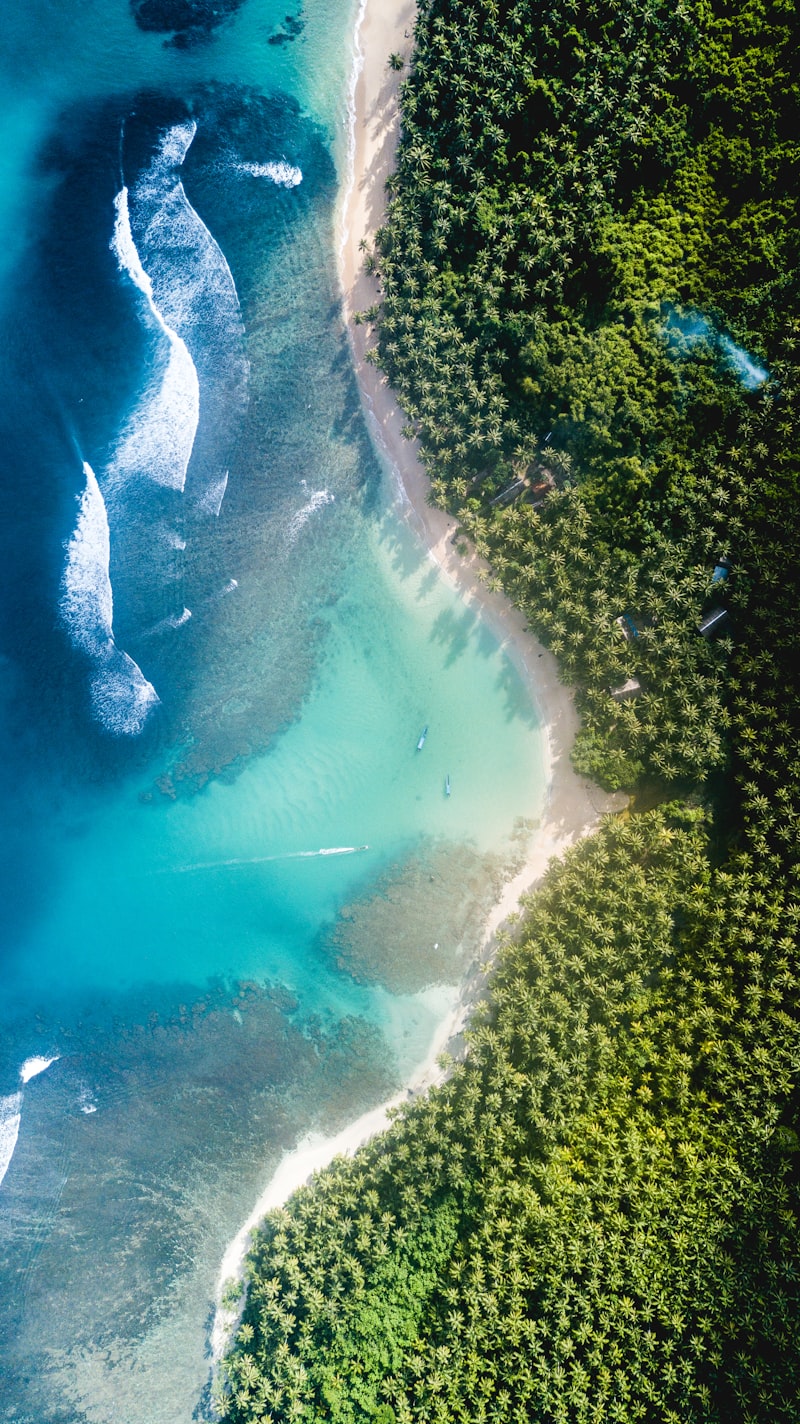
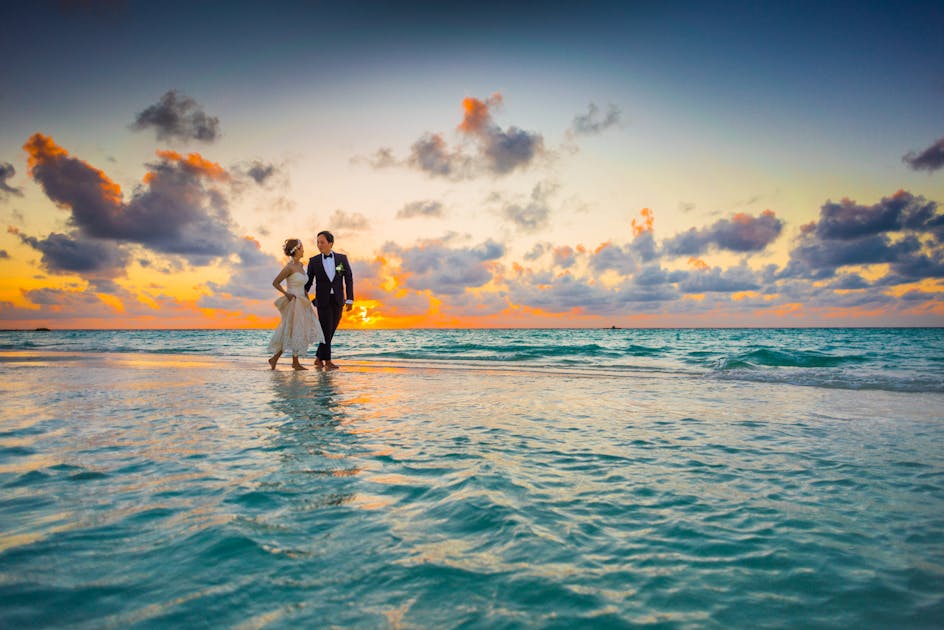
Three hundred days of sunshine a year. A golden hour that stretches 45 minutes across the Sea of Cortez. Desert landscapes crashing into turquoise ocean. Whale breaches for your B-roll. Los Cabos has quietly become one of the best content creation bases in North America — and the content creator community in Los Cabos is not just visiting anymore. They are buying property. I have personally worked with YouTubers, podcast hosts, course creators, and brand strategists who are closing on homes here because the math works: the property doubles as a production set, the cost of living extends their runway, and the content practically shoots itself.
Key Takeaways
- • Los Cabos offers 300+ sunny days, consistent golden-hour light, and dramatic desert-ocean backdrops that reduce production costs and increase content quality
- • Commercial filming on public land requires a municipal permit from the Dirección de Turismo (~$200–$500 USD/day depending on crew size); personal/social media content does not
- • Starlink delivers 50–200 Mbps throughout Los Cabos; Telmex fiber (100–500 Mbps) is available in major communities — sufficient for 4K uploads and live streaming
- • Mexico's RESICO simplified tax regime allows creators earning under ~3.5M MXN/year (~$175,000 USD) to pay as little as 1–2.5% income tax with minimal paperwork
- • Creator-friendly communities cluster in Cerritos/El Pescadero (surf-lifestyle niche), San Jose downtown (food-travel-culture niche), and Cabo San Lucas Marina (luxury-travel niche)
Want a Property That Doubles as a Production Set?
We help creators find properties with the views, the light, and the infrastructure to make content and build equity at the same time.
Find Your Cabo Creator HomeWhy Los Cabos Works for Content Creators
I have lived and worked in real estate markets across the US and Mexico. No market I have seen offers the combination that Los Cabos does for content creators. Here is the breakdown:
The Light
Professional photographers and videographers understand light quality instinctively. Los Cabos sits at 22.8°N latitude — far enough south that the sun angle creates warm, directional light year-round, but north enough to avoid the flat overhead light of equatorial locations. The result: golden hour in Cabo lasts 40–50 minutes, compared to 20–25 minutes in most US cities. Sunrise shoots start around 6:15 AM in summer and 7:00 AM in winter. Sunset shoots wrap between 6:30 PM (winter) and 8:00 PM (summer).
The marine layer is rare. Unlike Southern California, where "June Gloom" can kill outdoor shooting for weeks, Cabo's desert climate delivers consistent blue skies. Rain is concentrated in September–October (the tail of hurricane season), and even those months average only 6–8 rainy days.
The Backdrops
Within a 90-minute drive radius, you have:
- Desert-meets-ocean: The Corridor between Cabo San Lucas and San Jose del Cabo — 20 miles of dramatic coastline with rock formations, cacti, and crashing waves
- El Arco: The iconic Land's End rock formation — probably the most photographed landmark in Baja California Sur
- Surf beaches: Cerritos and Costa Azul for action sports content
- Colonial architecture: San Jose del Cabo's Art District with its galleries, cobblestone streets, and Thursday Art Walk
- Marina luxury: The Cabo San Lucas Marina district — superyachts, waterfront dining, nightlife
- Desert backcountry: The Sierra de la Laguna mountains and Baja backcountry for adventure and overlanding content
- Underwater: Cabo Pulmo marine park — one of the most biodiverse marine environments in the Pacific. Whale sharks December through April
You could shoot a different backdrop every day for a month without repeating.
The Cost of Living Advantage
Content creation is a margin game. The less you spend on living costs, the more runway you have to build your audience before monetization kicks in. Compared to Los Angeles (where most US-based creators start), Los Cabos offers:
- Rent: $800–$1,500/month for a furnished 1-bedroom in San Jose del Cabo, versus $2,500–$4,000 in LA
- Groceries: 40–60% lower than comparable quality in California
- Healthcare: A doctor visit costs $30–$60 USD; private health insurance runs $80–$200/month
- Dining: A quality restaurant meal costs $15–$30 per person, versus $40–$80 in LA
A creator who needs $6,000/month to live comfortably in LA can live at the same standard in Cabo for $2,500–$3,500. That is $30,000–$42,000 per year in savings — enough to fund equipment upgrades, hire an editor, or simply survive longer while building an audience.
Filming Permits: When You Need One and When You Do Not
This is the question everyone asks first. The answer depends on what you are shooting, where, and with how many people.
When You Do NOT Need a Permit
- Personal social media content: Shooting with a phone or small camera on public beaches, streets, and parks for personal social media accounts (YouTube vlogs, Instagram Reels, TikTok) — no permit required
- Private property: Filming inside your own home, within your development's grounds (with HOA approval), or at a private business with the owner's permission
- Editorial/journalistic content: Press coverage, documentary work with a small crew (typically under 5 people and no production equipment blocking public areas)
When You DO Need a Permit
- Commercial shoots on public land: Brand campaigns, commercial advertisements, music videos, film productions — anything being produced for direct commercial sale or advertising purposes on public beaches, streets, or spaces
- Large crew productions: Any shoot involving significant production equipment (lighting rigs, generators, dollies), road closures, or crowds that affect public access
- Drone operations: Drones always require a permit from Mexico's aviation authority (AFAC — Agencia Federal de Aviación Civil). Registration costs approximately $150 USD and is valid for two years. You also need permission from the specific municipality where you are flying
For commercial filming permits, contact the Dirección de Turismo in either Los Cabos municipality (Cabo San Lucas is in the municipality of Los Cabos; San Jose del Cabo is in its own municipality). Permit costs range from approximately $200–$500 USD per day depending on crew size and location. Processing time: 5–10 business days. Some locations — particularly national parks and protected areas like Cabo Pulmo — require additional CONANP (environmental agency) permits that can take 30+ days.
Looking for a Cabo Property with the Perfect Backdrop?
Rooftop terrace with ocean views. Infinity pool with desert beyond. We know which properties photograph like a million bucks.
Book a Property TourInternet and Connectivity: Can You Actually Work from Cabo?
This is the make-or-break question for creators, and the answer in 2026 is: yes, emphatically. The internet situation in Los Cabos has transformed in the past three years.
Starlink
Starlink is available throughout Los Cabos and has been a game-changer for remote workers and creators in areas where fiber does not reach. Typical speeds: 50–200 Mbps download, 10–30 Mbps upload. Latency: 20–60ms. Cost: approximately $120 USD/month for the residential plan after an equipment fee of ~$500. Starlink works everywhere — rooftop terraces in El Pescadero, beachfront properties in Cerritos, rural lots on the East Cape.
Fiber Internet
Telmex and TotalPlay offer fiber connections in most urban areas of Cabo San Lucas and San Jose del Cabo. Speeds range from 100 Mbps to 500 Mbps. Monthly cost: $35–$80 USD. Fiber is reliable in established communities — Pedregal, Palmilla, El Tezal, downtown San Jose, the Marina area. It is less available in newer Pacific Side developments and rural East Cape locations.
Coworking Spaces
Los Cabos now has a growing coworking scene catering specifically to remote workers and creators. Several spaces in San Jose del Cabo and the Corridor offer dedicated desks ($200–$400/month), meeting rooms, podcast recording studios, and high-speed fiber internet. These are good options for creators who want dedicated workspace outside their home or who need soundproofed recording environments.
For 4K video uploads — the standard for professional YouTube content — you need a minimum of 25 Mbps upload speed. Both Starlink and fiber meet this comfortably. A 10-minute 4K video (approximately 3–5 GB) takes 20–30 minutes to upload on a 25 Mbps connection. On 100 Mbps fiber, that drops to 5–8 minutes.
Where Creators Are Buying: Community Guide by Niche
Different content niches cluster in different communities. Here is where I see creators buying based on their content focus:
Surf, Lifestyle, and Wellness: Cerritos and El Pescadero
The Pacific Side is the epicenter of Cabo's creator economy. Cerritos Beach and El Pescadero attract surf content creators, wellness influencers, yoga instructors who build audiences around their practice, and lifestyle vloggers who want the "bohemian Baja" aesthetic. Property here is also the most affordable beachfront in Los Cabos — condos from $200,000 and homes from $350,000. The vibe is laid-back, international, and creative. Multiple creators I know shoot 100% of their content from their own properties and the surrounding beaches.
Food, Travel, and Culture: San Jose del Cabo Downtown
San Jose del Cabo's downtown and Art District is ideal for food and travel creators. The Thursday Art Walk, gallery openings, farm-to-table restaurants, and colonial architecture provide endless content opportunities within walking distance. Condos and townhomes in the Centro Histórico and Fonatur neighborhoods start around $250,000. The neighborhood has a walkable urban feel rare in Los Cabos — and walkable neighborhoods produce better content than car-dependent suburban developments.
Luxury Travel and Aspirational Lifestyle: The Corridor and Marina
Creators in the luxury travel niche need luxury backdrops. The Corridor's resort communities — Chileno Bay, Palmilla, Cabo del Sol — and the Cabo San Lucas Marina area provide the infinity pools, ocean vistas, and five-star environments that drive engagement in the aspirational lifestyle space. Entry price is higher ($500,000+), but creators in this niche typically have established revenue streams that support the investment.
Adventure and Outdoor: East Cape
For adventure content — off-roading, fishing, hiking, diving, camping — the East Cape is unmatched. Rugged coastline, unpaved roads, Cabo Pulmo marine park, Sierra de la Laguna mountains. Properties are the most affordable in the Los Cabos region, with lots from $50,000 and homes from $200,000. The trade-off: infrastructure is more basic, internet relies heavily on Starlink, and you are 1–2 hours from the airport. For adventure creators, that remoteness is the content.
The Tax Angle: RESICO and Creator Income in Mexico
This is where it gets financially interesting. If you establish tax residency in Mexico (spending 183+ days per year and establishing your center of vital interests), you can potentially access Mexico's RESICO (Régimen Simplificado de Confianza) tax regime.
RESICO is designed for individuals and small businesses earning under approximately 3.5 million MXN per year (~$175,000 USD). The effective tax rates are dramatically lower than US rates:
| Monthly Income (MXN) | Monthly Income (~USD) | RESICO Rate |
|---|---|---|
| Up to $25,000 | ~$1,250 | 1.00% |
| $25,001–$50,000 | ~$1,250–$2,500 | 1.10% |
| $50,001–$83,333 | ~$2,500–$4,166 | 1.50% |
| $83,334–$208,333 | ~$4,166–$10,416 | 2.00% |
| $208,334–$291,666 | ~$10,416–$14,583 | 2.50% |
Compare that to US federal income tax rates of 22–37% on the same income ranges, plus state taxes of 0–13% depending on your state. A creator earning $100,000/year could pay approximately $2,000–$2,500 in Mexican income tax under RESICO versus $18,000–$25,000 in combined US federal and state taxes.
Critical caveat: US citizens must file US federal returns regardless of where they live. The US-Mexico tax treaty provides foreign tax credits to prevent double taxation, but the math is complex. You need a cross-border tax advisor before making any decisions about tax residency. This is not DIY territory.
Equipment Considerations: Salt, Sand, and Humidity
Los Cabos is a desert — but a coastal desert. That combination creates specific challenges for camera equipment and electronics:
- Salt air corrosion: The salt spray from the Pacific and Sea of Cortez will corrode metal components over time. Store equipment in sealed, climate-controlled spaces when not in use. Wipe down camera bodies and lenses after every beach shoot. Consider weather-sealed camera bodies (Sony A7 IV, Canon R6 II, etc.)
- Sand: Fine Baja sand gets into everything. Never change lenses on the beach. Use a lens-changing bag. Air-blast sand off equipment before opening compartments. A single grain of sand on your sensor will ruin every photo until it is removed
- Humidity: Summer months (June–October) bring elevated humidity, especially on the Pacific Side. Use silica gel in equipment bags and consider a small dehumidifier in your gear closet. Lens fungus is a real risk in tropical climates
- Heat: Cabo summer temperatures hit 95–105°F regularly. Electronics overheat. Laptops throttle. Do not leave gear in a parked car. Schedule outdoor shoots for early morning or late afternoon in summer
The Business Case: When Your Property Is Your Production Set
Here is the math that I walk creators through. Take a Cerritos condo purchased for $250,000:
- Monthly carrying costs (HOA, property tax, insurance, utilities): approximately $800–$1,000
- The property doubles as your primary filming location, eliminating location rental costs ($500–$2,000/day in LA)
- When you travel for content, the property can generate rental income on Airbnb ($100–$200/night in peak season)
- The property appreciates (Los Cabos has averaged 6–8% annual appreciation over the past 20 years)
- A portion of the property cost and carrying expenses may be deductible as business expenses if the property is genuinely used as a production space (consult your tax advisor)
A creator who films 200 days per year from their Cabo property avoids approximately $100,000–$400,000 in location costs that an LA-based creator would spend on comparable production value. The property is not an expense — it is infrastructure.
Build Your Creator Base in Los Cabos
We specialize in matching content creators with properties that look as good on camera as they do on a balance sheet.
Start Your Cabo Property SearchThinking about buying here rather than just visiting? Our free 33-page Buying Property in Mexico guide covers the fideicomiso, closing costs in real dollars, and the 27-point checklist we run on every property.
Frequently Asked Questions
Do I need a filming permit to create content in Los Cabos?+
For personal social media content (YouTube vlogs, Instagram Reels, TikTok) shot with handheld equipment on public beaches and streets — no permit required. For commercial productions (brand campaigns, advertisements, music videos) on public land, you need a municipal filming permit from the Dirección de Turismo, costing approximately $200–$500 USD per day depending on crew size. Drone operations always require an AFAC (Mexico aviation authority) permit ($150 USD, valid 2 years) plus municipal permission. Filming in protected areas like Cabo Pulmo requires additional CONANP permits that can take 30+ days to process.
Is the internet fast enough in Los Cabos for content creation and uploads?+
Yes. Starlink delivers 50–200 Mbps download and 10–30 Mbps upload throughout Los Cabos, including rural areas like El Pescadero and the East Cape. Telmex and TotalPlay fiber (100–500 Mbps) is available in Cabo San Lucas, San Jose del Cabo, and most Corridor communities. For reference, a 10-minute 4K video (3–5 GB) uploads in 20–30 minutes on 25 Mbps and 5–8 minutes on 100 Mbps. Live streaming at 1080p requires 6–10 Mbps upload — easily achievable on either platform. Starlink costs approximately $120 USD/month; fiber costs $35–$80 USD/month.
Which Los Cabos neighborhood is best for content creators?+
It depends on your niche. Surf and wellness creators cluster in Cerritos Beach and El Pescadero (Pacific Side) — affordable beachfront from $200,000 with laid-back creative community. Food, travel, and culture creators gravitate to San Jose del Cabo's Art District — walkable, gallery-filled, farm-to-table restaurants, condos from $250,000. Luxury travel creators need the Corridor (Chileno Bay, Palmilla, Cabo del Sol) or the Marina area — five-star backdrops, entry from $500,000. Adventure creators head to the East Cape — rugged, remote, cheapest in the region with lots from $50,000.
Can content creators get tax benefits from living in Mexico?+
Potentially significant ones. If you establish Mexican tax residency (183+ days/year), you may qualify for Mexico's RESICO simplified tax regime — effective rates of 1–2.5% on income up to approximately $175,000 USD/year, compared to 22–37% US federal rates. However, US citizens must file US returns regardless of where they live, and the US-Mexico tax treaty provides foreign tax credits to prevent double taxation. The math is complex and requires a cross-border tax advisor. Additionally, a portion of your property's carrying costs may be deductible as business expenses if it is genuinely used as production space.
How much does it cost to live in Los Cabos as a content creator?+
A comfortable creator lifestyle in Los Cabos costs $2,500–$3,500 USD/month — roughly 40–60% less than Los Angeles. Breakdown: furnished 1-bedroom rental $800–$1,500/month, groceries $300–$500, health insurance $80–$200, coworking space $200–$400 (optional), dining out $200–$400, transportation $100–$300, internet (Starlink or fiber) $35–$120. If you own your property, replace rent with carrying costs of $800–$1,000/month. Annual savings versus LA: $30,000–$42,000 — enough to fund major equipment upgrades, hire an editor, or extend your runway while building your audience.
What camera equipment challenges should I expect in Cabo?+
The coastal desert environment creates three main challenges: (1) salt air corrosion — wipe down equipment after every beach shoot and store in sealed, climate-controlled spaces; use weather-sealed camera bodies; (2) fine Baja sand — never change lenses on the beach, use a lens-changing bag, air-blast before opening compartments; and (3) summer heat (95–105°F) — electronics overheat, laptops throttle, never leave gear in a parked car. Summer humidity (June–October) also creates lens fungus risk; use silica gel packs and a dehumidifier in your gear closet. Budget $200–$500/year for additional equipment maintenance and protective accessories.
What visa do content creators need to live in Los Cabos?+
For stays under 180 days, a tourist FMM permit (free at the airport) is sufficient — but technically you cannot earn income from Mexican sources on a tourist visa. For longer stays and legal work authorization, apply for a Residente Temporal visa — requires proving approximately $3,200 USD/month income or $53,000 USD average monthly savings over 12 months. The application starts at a Mexican consulate in the US/Canada and takes 4–8 weeks total. Residente Temporal is valid for 1–4 years and is renewable. After 4 years, you can convert to Residente Permanente (permanent residency). Content creators earning income from US/international sources operate in a gray area on tourist visas — enforcement is minimal, but the legal path is Temporal residency with an RFC.
Can I deduct my Cabo property as a business expense if I use it for content creation?+
Potentially, but the specifics depend on your business structure, tax residency, and the percentage of the property used for production. Under US tax law, the home office deduction allows deducting a portion of your housing costs proportional to the space used exclusively and regularly for business. If your Cabo property includes a dedicated office/studio space, a portion of mortgage interest (or carrying costs), utilities, internet, and maintenance may be deductible. Under Mexican RESICO, deductions are limited. In either case, maintain detailed records of production days, document your studio space, and work with a cross-border tax advisor who understands creator businesses.

Aaron Cuha
Real Estate Advisor & Los Cabos Market Expert
Real estate advisor and founder of Living In Cabo. 15+ years helping families navigate complex real estate decisions. Strategic partner with Ronival — Baja's largest brokerage.